
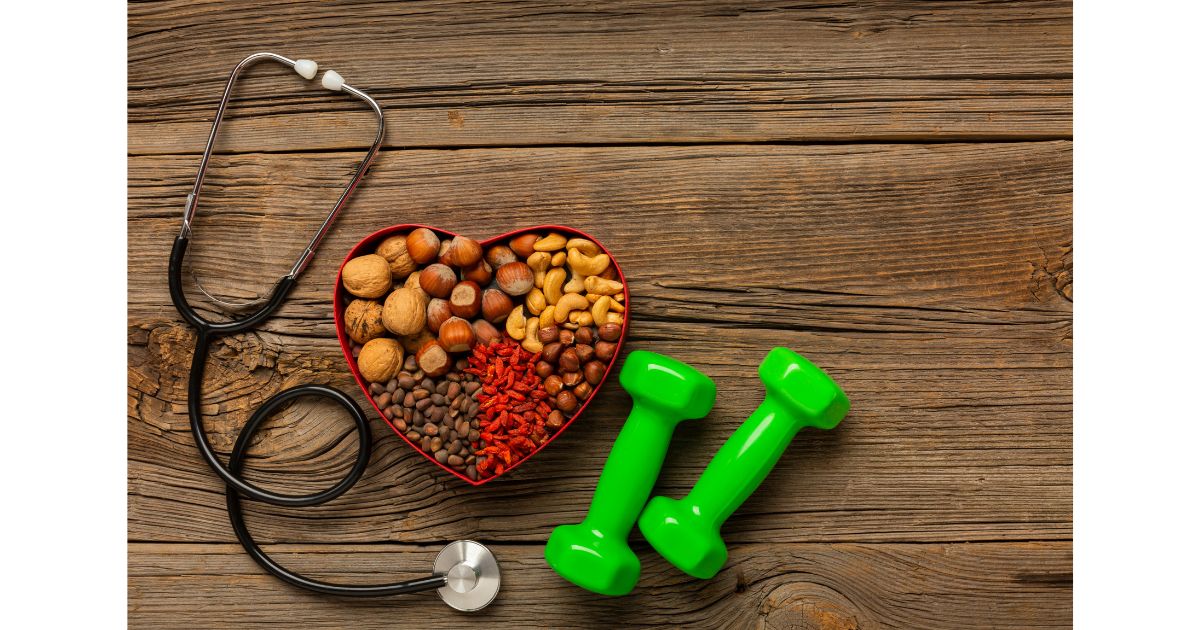
Good health is the foundation of a happy, productive, and fulfilling life. Without it, even wealth, success, and relationships can feel incomplete. In today’s fast-paced world, where stress, unhealthy food habits, and sedentary lifestyles are common, maintaining good health has become more important than ever. The good news is that achieving and preserving good health does not require complicated routines—it depends on simple, consistent daily habits.
In this article, we will explore why good health is important and practical ways to maintain it every day.
Why Good Health is Important in Daily Life
Good health is not just the absence of disease; it is a complete state of physical, mental, and social well-being. When your body and mind are healthy, you can perform better in every aspect of life.
1. Improves Quality of Life
A healthy body allows you to enjoy life fully. Whether it is spending time with family, traveling, or working, good health gives you the energy and strength to do everything with ease.
2. Boosts Productivity
When you are healthy, your concentration, focus, and efficiency naturally improve. This helps you perform better at work or studies and achieve your goals faster.
3. Prevents Diseases
Maintaining good health reduces the risk of chronic diseases such as diabetes, heart disease, and obesity. A strong immune system helps your body fight infections effectively.
4. Enhances Mental Well-being
Physical health is closely connected to mental health. A healthy body reduces stress, anxiety, and depression, helping you feel more positive and balanced.
Key Elements of Good Health
To maintain good health, it is important to understand its main components. These include physical health, mental health, and emotional balance.
Physical Health
This includes proper nutrition, regular exercise, and sufficient sleep. A healthy body functions efficiently and stays strong against illnesses.
Mental Health
Mental health involves your thoughts, emotions, and stress levels. A healthy mind helps you make better decisions and handle challenges effectively.
Emotional Health
Emotional well-being means being able to manage emotions in a positive way. It helps you build strong relationships and stay calm in difficult situations.
How to Maintain Good Health Every Day
Maintaining good health does not require extreme efforts. Small daily habits can make a big difference over time.
1. Eat a Balanced and Nutritious Diet
Food is the fuel for your body. Eating a balanced diet is one of the most important steps toward good health.
- Include fruits and vegetables in every meal
- Eat whole grains instead of processed foods
- Add protein sources like eggs, fish, beans, and nuts
- Reduce sugar, salt, and unhealthy fats
- Drink plenty of water throughout the day
A healthy diet strengthens your immune system and keeps your body energized.
2. Stay Physically Active
Regular exercise is essential for maintaining a healthy body and mind. You don’t need a gym membership to stay active.
- Walk for at least 30 minutes daily
- Practice yoga or stretching exercises
- Engage in sports or outdoor activities
- Take short breaks from sitting during work
Physical activity improves heart health, strengthens muscles, and helps control weight.
3. Get Enough Sleep
Sleep is often ignored, but it is a vital part of good health. Lack of sleep can lead to fatigue, stress, and poor concentration.
- Aim for 7–8 hours of sleep every night
- Maintain a regular sleep schedule
- Avoid screens before bedtime
- Create a calm and comfortable sleeping environment
Quality sleep helps your body repair and recharge.
4. Manage Stress Effectively
Stress is a major cause of many health problems today. Learning how to manage it is essential.
- Practice deep breathing or meditation
- Spend time in nature
- Talk to friends or family
- Take breaks from work when needed
- Engage in hobbies you enjoy
A stress-free mind leads to a healthier body.
5. Maintain Good Hygiene
Personal hygiene plays an important role in preventing infections and diseases.
- Wash your hands regularly
- Keep your surroundings clean
- Brush and floss your teeth daily
- Take regular showers
Good hygiene habits protect you and those around you.
6. Stay Hydrated
Water is essential for every function in the body. It helps regulate temperature, supports digestion, and removes toxins.
- Drink at least 8 glasses of water daily
- Increase intake during hot weather or exercise
- Avoid excessive sugary drinks
Proper hydration keeps your body active and refreshed.
7. Build Healthy Habits and Consistency
Health is not built in a day—it is the result of consistent habits over time. Small improvements every day lead to long-term benefits.
- Set realistic health goals
- Track your progress
- Stay disciplined but flexible
- Avoid unhealthy routines gradually
Consistency is the key to lasting good health.
Conclusion
Good health is one of the most valuable assets a person can have. It affects every part of life, from productivity and happiness to relationships and success. The importance of good health cannot be overstated, and the steps to maintain it are simple but powerful.
By following a balanced diet, staying active, sleeping well, managing stress, and practicing good hygiene, anyone can improve their overall well-being. The journey to good health begins with small daily choices. Start today, stay consistent, and enjoy a healthier, happier life every day.